November 9, 2026
Over recent years, metal buildings have experienced an unprecedented surge in popularity, transitioning far beyond their conventional origins as strictly industrial facilities. Historically associated with basic agricultural sheds and manufacturing storehouses, these structures now encompass complex commercial headquarters, modern educational campuses, sports complexes, and bespoke residential homes. This evolutionary leap stems from an increasingly urgent demand for sustainable, resilient, and cost-effective development practices across the contemporary real estate landscape. Architects, general contractors, and corporate property owners consistently recognize that structural steel provides uncompromised structural integrity while offering extraordinary operational longevity. Today, builders routinely leverage a custom pre engineered metal building to fulfill complex structural demands, ensuring projects stay aligned with rigorous modern construction standards.
As construction timelines tighten and conventional material costs fluctuate, the commercial building marketplace has embraced streamlined methodologies that eliminate operational bottlenecks. Advanced metallurgical formulations, combined with superior digital drafting practices, have expanded the engineering envelope to achieve remarkable aesthetic variety and functional excellence. Contemporary steel systems accommodate wide, column-free interior spaces that empower developers to design adaptable layouts tailored to ever-evolving operational needs. By merging resource-efficient structural principles with flexible floor plans, modern steel architecture addresses the ongoing financial and functional pressures faced by developers. Consequently, the transition toward versatile, high-performance metal construction represents a fundamental shift in how commercial, civic, and residential spaces are conceptualized, engineered, and built.
Exploring the Structural Evolution of Steel Architecture
The evolution of modern structural steel framing traces its roots to nineteenth-century industrial facilities, where expansive spans and fire-resistant envelopes were paramount for heavy manufacturing. Over subsequent decades, specialized engineering standards emerged, transforming rudimentary iron and steel frames into sophisticated, scientifically calibrated architectural systems. Modern iterations frequently incorporate high-strength steel framing paired with lightweight aluminum components and hybrid assemblies that integrate stone, masonry, and glass facades. This rich mechanical heritage has paved the way for advanced manufacturing protocols, allowing components to be fabricated with extreme precision within strictly monitored shop environments prior to final field erection.
Today, a custom pre engineered metal building serves varied sectors, spanning commercial aviation hangars, automated logistics distribution networks, state-of-the-art equestrian facilities, and contemporary open-concept residential designs. Steel features inherent dimensional stability, eliminating risks of organic rot, termite infestation, and seasonal wood warping. Furthermore, structural metals boast closed-loop recyclability, meaning retired structural beams can be melted down and repurposed endlessly without diminishing their elemental tensile capacity. When paired with high-performance vapor barriers and advanced thermal insulation assemblies, these modern frames deliver outstanding ecological benefits alongside exceptional physical performance across all regional climates.
Analyzing the Economic Drivers Fueling Market Demand
Fiscal efficiency remains a primary catalyst accelerating the mainstream adoption of structural steel construction. Traditional masonry and timber methods entail prolonged on-site labor schedules, severe weather delays, and significant material scrap waste that rapidly inflates capital budgets. In contrast, engineered steel assemblies arrive precisely measured and drilled, drastically compressing field labor intervals and lowering overall job site supervision costs. The resulting reduction in construction schedules enables commercial enterprises to occupy facilities and generate operational revenue months ahead of standard building projections. Moreover, the long-term maintenance overhead of coated steel is remarkably low, yielding favorable operational lifecycle costs.
The commercial marketplace continues to respond vigorously to these cost savings and long-term operating efficiencies. According to Market Research, over the past three years, the metal building industry has grown at an annual rate of 3.8%. This sustained upward trajectory is reinforced by favorable insurance rates granted to non-combustible steel envelopes, as well as superior capital asset retention over decades of active occupancy. From high-density suburban storage complexes to attainable housing developments, project stakeholders maximize their capital expenditure when utilizing a custom pre engineered metal building. The compounding economic advantages of rapid erection, minimized maintenance, and reduced risk profiles position structural steel as an exceptionally prudent vehicle for real estate investment.
Advancing Production Technologies and Digital Engineering
Technological innovation across both the virtual design office and the physical factory floor has fundamentally revolutionized structural steel manufacturing. Modern engineering workflows utilize cutting-edge Building Information Modeling (BIM) and three-dimensional computer-aided drafting software to model every bolt, plate, and purlin under anticipated environmental loads. Virtual simulations test structural behaviors against simulated wind uplift, seismic ground acceleration, and extreme snow loads prior to mill production. This level of digital precision completely eliminates costly field corrections, streamlines procurement pipelines, and guarantees that every primary and secondary framing member aligns flawlessly during field erection.
Simultaneously, the integration of intelligent building management sensors, energy-efficient LED systems, and automated environmental controls transforms these steel shells into responsive, high-performing facilities. By merging automated factory production with intelligent building automation, structural steel construction delivers unparalleled quality control from initial design to final occupancy.
Elevating Contemporary Architectural Aesthetics
Aesthetic versatility has emerged as one of the most compelling aspects of twenty-first-century steel construction, fully dispelling obsolete perceptions of metal buildings as drab, utilitarian boxes. Contemporary architects actively harness structural steel to craft clean geometric lines, bold sweeping roof profiles, and dramatic cantilevers that enhance urban and rural landscapes alike. Advanced exterior surface treatments provide an extensive palette of architectural colors, natural textures, and weather-resistant finishes backed by multi-decade warranties. By utilizing custom trims, parapet wall extensions, and dramatic exterior canopies, designers create striking exteriors that rival any conventional commercial building.
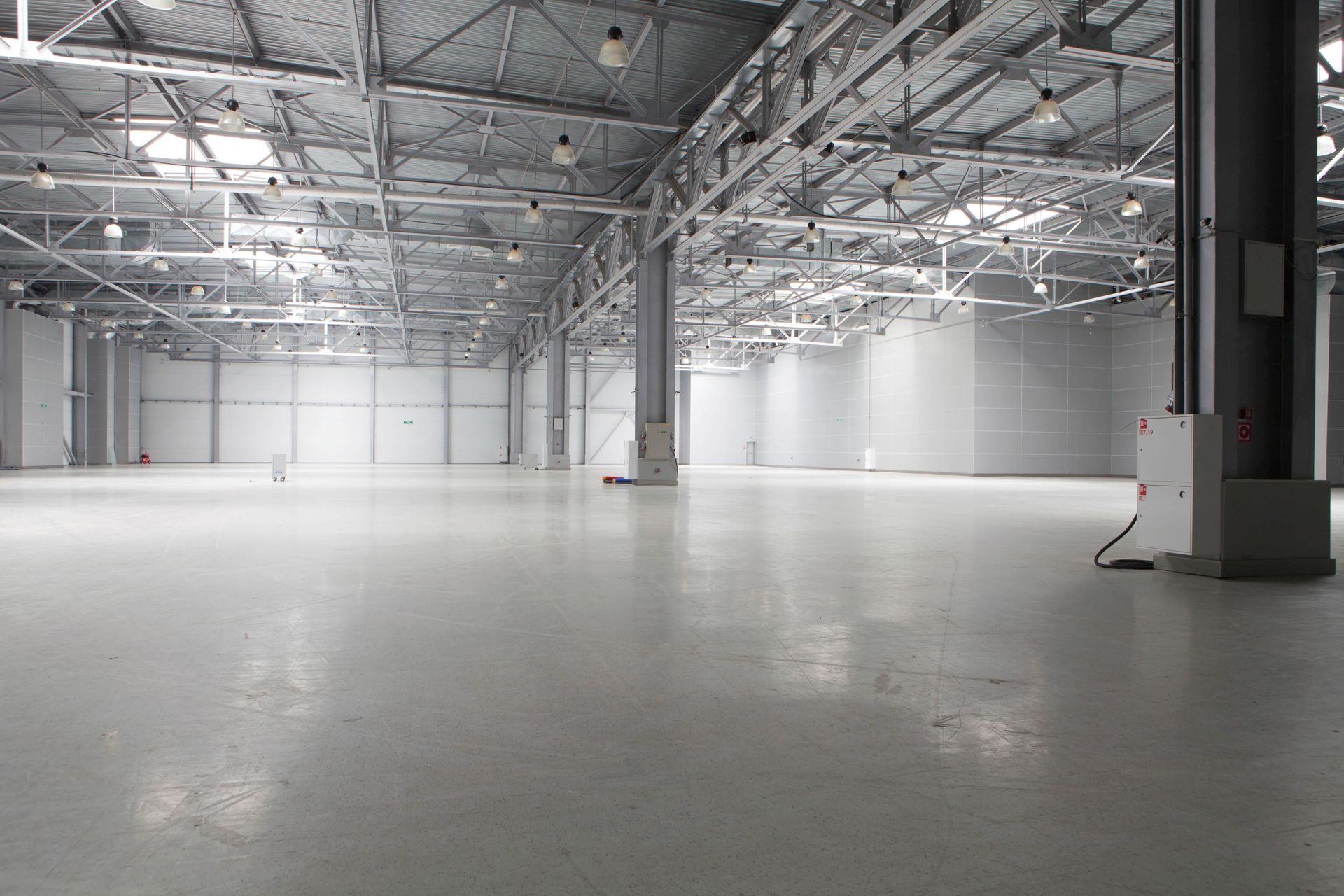
Furthermore, structural steel effortlessly interfaces with diverse exterior cladding materials, permitting seamless transitions to brick veneer, split-face architectural block, glass curtain walls, or insulated metal composite panels. Specifying a custom pre engineered metal building grants architects complete freedom to design open, light-filled interior layouts completely unencumbered by interior load-bearing columns. Mezzanine systems, open-web joists, and integrated skylight networks further maximize spatial utility and occupant comfort within educational centers, corporate offices, and recreational venues. By combining artistic expression with unyielding structural capabilities, modern steel design sets a high benchmark for contemporary architectural excellence.
Addressing Practical Environmental and Operational Challenges
While steel construction provides extensive benefits, developing durable structures demands careful attention to regional environmental factors and municipal regulatory codes. Steel possesses high thermal conductivity, which necessitates deliberate thermal management strategies to prevent unwanted energy transfer and internal moisture condensation. Modern builders counter these thermal realities through continuous insulation assemblies, insulated metal panels (IMPs), and thermal break fasteners that ensure full compliance with rigorous regional energy standards. Additionally, localized zoning codes and municipal architectural review boards often enforce specific aesthetic guidelines regarding building massing, exterior facade materials, and roof profiles.
Environmental durability also requires strict adherence to corrosion-mitigation measures, especially in coastal environments characterized by airborne salinity or industrial settings with chemical exposure. Engineering a custom pre engineered metal building addresses these site-specific conditions through the application of advanced zinc primers, hot-dip galvanization, and specialized polyvinylidene fluoride (PVDF) topcoats. High-performance air barriers and acoustic wall dampeners are also implemented to mitigate ambient exterior sound transmission, ensuring serene interior working and living conditions. By proactively tackling thermal, acoustic, and environmental variables during initial project modeling, engineering teams guarantee that the finished structure operates safely, comfortably, and efficiently throughout its decades-long service life.
When planning your next commercial expansion, agricultural warehouse, or specialty residential development, partnering with proven industry professionals guarantees success from conceptual design through structural delivery. Choosing a custom pre engineered metal building guarantees that your facility is precision-engineered, strictly code-compliant, and fully customized to your unique operational workflow. For unrivaled engineering support, superior structural components, and comprehensive design assistance, trust Modern Steel Solutions to transform your architectural vision into an enduring, high-performance reality.